 Aiken Atkins Landscaping LLC
How Often Should You Cut Your Grass?
Maintaining a well-kept lawn is important for homeowners. But knowing how often you should mow can be tricky. Too frequent mowing might stress your grass, while too little can make it look untidy. By understanding the right balance, you can keep your lawn healthy and attractive. We’ll explore the ideal frequency for cutting grass based on factors like grass type, weather, and growth rate.
The Importance of Regular Grass Cutting
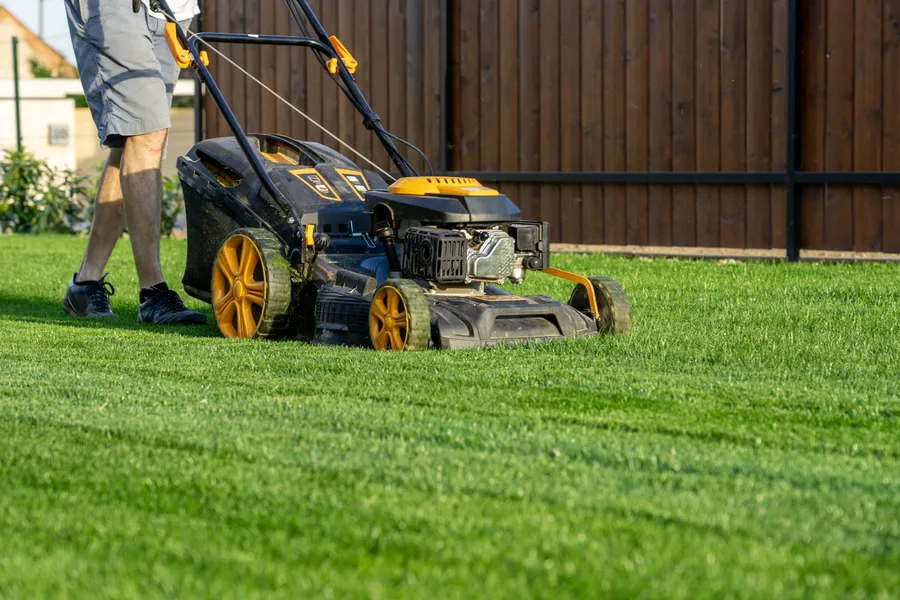
Regular lawn mowing helps maintain a neat appearance and promotes healthy grass growth. When grass is cut at the proper height, it can better resist pests and diseases. Additionally, consistent cutting allows sunlight to reach lower blades, encouraging even growth. This results in a lush, green lawn that enhances your home’s curb appeal.
Factors Affecting Mowing Frequency
Several factors determine how often you should mow. These include grass type, season, and climate conditions. Different types of grass grow at varying rates. For instance, cool-season grasses grow faster in spring and fall, while warm-season varieties thrive in summer. Weather conditions such as rain and temperature changes also impact growth speed.
Guidelines for Different Grass Types
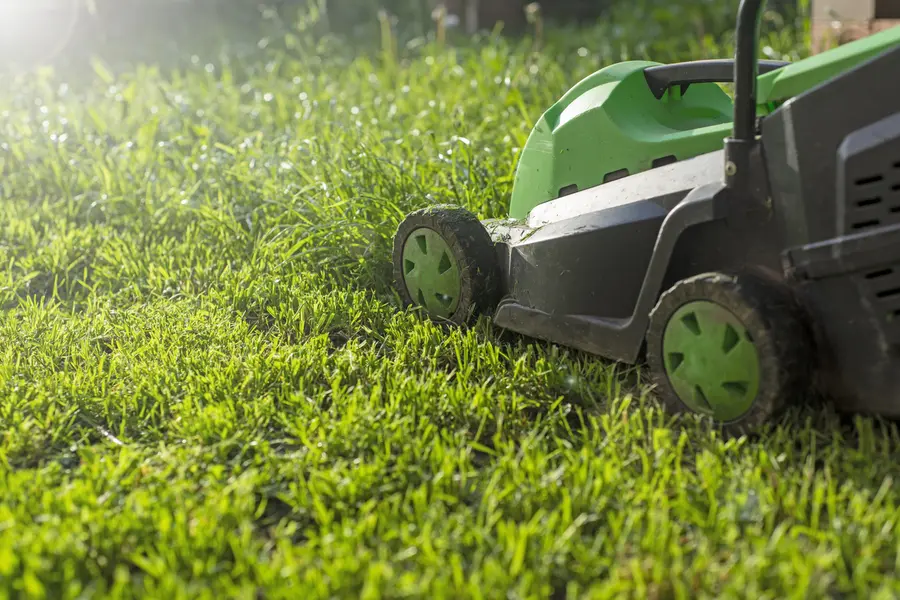
For cool-season grasses like Kentucky bluegrass or fescue, mow every week during peak growth periods. In contrast, warm-season grasses such as Bermuda or zoysia may require mowing every five to seven days in the summer. Adjust these guidelines according to local weather patterns and specific lawn needs.
Benefits of Following the Right Mowing Schedule
When you follow an appropriate schedule, your lawn benefits significantly. Proper lawn mowing reduces the risk of disease by removing damaged or overgrown areas that may harbor pests. It also encourages stronger root systems, leading to healthier plants that require less water and fertilizer over time.
Avoid Common Mowing Mistakes
Mowing too short, known as scalping, can harm your lawn by exposing soil to excessive sunlight and drying out roots. Conversely, letting grass grow too long makes it more difficult to cut evenly and increases thatch buildup. Stick to the recommended height for each grass type to avoid these issues.
Seasonal Adjustments for Grass Cutting
Adjusting your mowing habits with seasons ensures optimal results. In spring and fall, when growth is rapid, increase mowing frequency. During summer’s heat, longer intervals between cuts help protect grass from stress. In winter, reduce mowing activities as growth slows down considerably.
- Spring: Weekly mowing for cool-season grasses
- Summer: Every 5-7 days for warm-season varieties
- Fall: Similar to spring; adjust based on growth rate
- Winter: Minimal maintenance required
Finding the Right Tools for Efficient Mowing
Selecting proper equipment plays a crucial role in achieving desired results. Sharp blades ensure clean cuts without tearing grass tissue. Opt for mowers suited to your lawn size-electric models work well for smaller yards, while gas-powered options handle larger areas efficiently.
Your Guide to Healthy Lawn Maintenance
Your journey towards a perfect lawn begins with understanding its unique needs. By setting an ideal mowing routine tailored specifically around grass type and environmental factors, you’ll enjoy stunning landscapes year-round. For residents in Travelers Rest, SC, partnering with Aiken Atkins Landscaping LLC guarantees expert guidance on maintaining vibrant outdoor spaces. Call us at (864) 999-8078 today to learn more about our services!